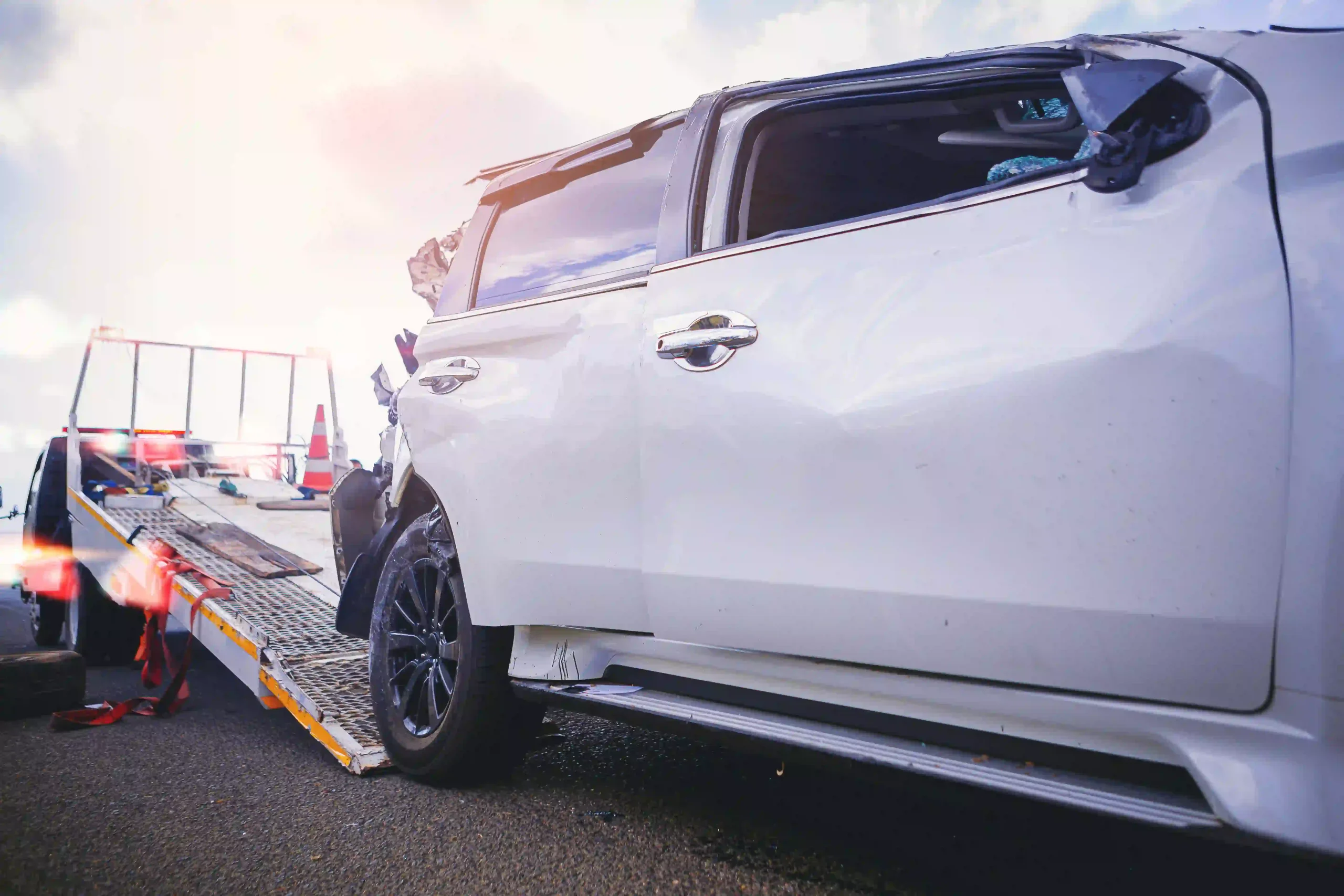
Base Towing Fees and Mileage Charges
Most towing companies start with a base hookup fee that covers the truck dispatch, driver time, and the first few miles of transport. In Manchester and surrounding towns like Bedford, Hooksett, and Goffstown, this initial charge typically ranges from $50 to $125 depending on the provider and the time of call. After the included mileage (usually three to five miles), expect a per-mile rate that can add up quickly if your destination is across town or out of state.
Distance matters more than most drivers realize. A quick five-mile tow to a nearby repair shop will cost far less than hauling a vehicle from Manchester to a specialized facility in Concord or beyond. For long-distance towing, mileage fees become the dominant portion of your bill. If you’re stranded on I-93 during a snowstorm and need transport to a dealership 40 miles away, the mileage alone can double or triple your total cost compared to a short local haul.
When you call for towing services, ask upfront about the base fee, included mileage, and per-mile rate beyond that threshold. Transparency at the start helps you budget accurately and avoid surprises when the invoice arrives. Local providers familiar with the Manchester area can often route more efficiently, saving you both time and money on longer hauls.
Type of Vehicle and Equipment Needed
Not all vehicles cost the same to tow. A compact sedan weighing 3,000 pounds requires far less equipment and effort than a diesel pickup truck tipping the scales at 8,000 pounds or a commercial box truck. Heavier vehicles demand flatbed trailers, reinforced winches, and sometimes tandem-axle rigs, all of which increase the service price. Motorcycle towing also falls into a specialty category, requiring wheel chocks, soft straps, and careful securing techniques that standard car tows don’t need.
Vehicle condition plays a role, too. If your car is stuck in gear, has locked brakes, or sustained frame damage in an accident, the driver may need dollies, skates, or additional rigging to load it safely. All-wheel-drive vehicles often require flatbed transport to avoid drivetrain damage, which costs more than a traditional wheel-lift tow. In the Manchester area, where winters bring salt and rust, older vehicles sometimes have seized components that complicate the hookup process and add labor time to the bill.
When you request roadside assistance, describe your vehicle type, weight class, and any known mechanical issues. Providing accurate details upfront ensures the operator dispatches the right truck the first time, avoiding delays and extra charges. Whether it’s a sedan, SUV, motorcycle, or light-duty commercial van, matching the equipment to the job keeps costs predictable and your vehicle safe during transport.
Time of Day and Emergency Demand
Towing rates fluctuate based on when you need help. Late-night breakdowns, early-morning calls, and weekend or holiday requests often carry premium rates because they require dispatching drivers outside standard business hours. In New Hampshire, winter storms and black-ice events create surges in demand, especially between December and March. When multiple vehicles slide off Route 101 or I-293 during a single storm, response times stretch and prices climb as every available truck gets deployed.
Emergency towing services during peak demand windows can cost 25 to 50 percent more than the same job on a weekday afternoon. If your car breaks down at 2 a.m. on a Saturday in sub-zero temperatures, expect to pay a premium for the speed and convenience of immediate dispatch. Conversely, if your vehicle is drivable and you can wait until Monday morning, scheduling a non-emergency tow during regular hours will save you money.
Seasonal patterns matter in the Manchester area. Summer road construction and fall foliage traffic bring their own spikes in calls, but nothing compares to the January and February rush when snow, ice, and freezing temperatures strand drivers daily. Knowing these patterns helps you anticipate costs and, when possible, avoid the highest-demand periods. If you need help during a storm or holiday, contact us as soon as it’s safe to do so, and we’ll dispatch the nearest available truck to get you moving again.
Service Complexity and Special Circumstances
Straightforward roadside pickups cost less than complex recoveries. If your car is parked on level pavement with easy access, the tow takes minutes and the price stays low. But if your vehicle left the road and ended up in a ditch, wrapped around a guardrail, or stuck in mud or snow, the job requires winching, rigging, and sometimes multiple recovery points. Each added step increases labor time and equipment use, driving up the final bill.
Off-road recoveries are common in rural areas around Manchester, especially on wooded back roads in Dunbarton or along the Merrimack River where soft shoulders and steep embankments catch drivers off guard. Pulling a vehicle up an icy slope or out of deep snow demands heavy-duty winches, specialized rigging, and experienced operators who know how to distribute load forces without causing further damage. Accident recovery services add another layer of complexity when airbags have deployed, fluids are leaking, or the frame is compromised, requiring extra caution during loading and transport.
Specialized removals, such as extracting a vehicle from a parking garage with low clearance or navigating tight urban streets, also require custom approaches and more time on-site. When you describe your situation to the dispatcher, be specific about location, terrain, and vehicle position. Accurate information allows the team to bring the right tools and quote a realistic price from the start, avoiding the frustration of mid-job cost revisions.
Insurance Coverage and Hidden Costs
Many drivers assume their auto insurance will cover the full towing bill, but coverage varies widely by policy. Roadside assistance add-ons typically reimburse up to $50 to $100 per tow, which may not cover the entire cost if you need a long haul or a complex recovery. Comprehensive or collision coverage may kick in if the tow follows an accident, but you’ll still owe your deductible before the insurer pays a dime. Always check your policy limits and deductible amounts before calling for a tow so you know what you’ll pay out of pocket.
Hidden costs can surprise you if you’re not careful. Some providers charge storage fees if your vehicle sits in their yard overnight while you arrange repairs or find a shop. Administrative fees, environmental cleanup surcharges for fluid spills, or after-hours dispatch fees may appear on the invoice. In the Manchester area, where winter salt and road grime require extra equipment cleaning, some operators pass those maintenance costs along to customers during the harshest months.
To avoid surprises, ask for a detailed estimate before the truck rolls. Request a breakdown of the base fee, mileage charges, any surcharges, and storage policies. If you have roadside coverage through your insurer or a motor club, confirm what they’ll pay and what you’ll owe directly to the provider. Transparent pricing and clear communication turn a stressful breakdown into a manageable inconvenience. If you need clarity on costs or coverage, reach out to our team and we’ll walk you through the details before we dispatch.