A Practical Guide to Getting Back on the Road
Secure the scene and check for injuries
The moments right after a collision can feel overwhelming, but your first priority is always safety. If you’re able to move, check yourself for injuries before doing anything else. Even if you feel fine, adrenaline can mask pain, so stay alert to any discomfort or dizziness.
Next, assess your passengers and occupants of other vehicles involved. If anyone is injured, call 911 immediately. In New Hampshire, emergency services respond quickly, but winter conditions or remote stretches along routes like I-293 or Route 101 can add time, so make that call as soon as possible.
If the vehicles are drivable and it’s safe to do so, move them to the shoulder or a nearby parking lot to prevent additional accidents. Manchester traffic, especially near the mall district or along South Willow Street, moves fast, and a stalled vehicle in the travel lane is a hazard. Turn on your hazard lights, set up flares or reflective triangles if you have them, and stay inside your car or well off the roadway until help arrives.
Never leave the scene, even for a minor fender bender. New Hampshire law requires drivers to remain at the scene of any accident involving injury, death, or property damage. Moving forward, you’ll need to gather information and document what happened.
Gather information and take photos
Once everyone is safe, it’s time to collect the details you’ll need for insurance claims and any potential legal matters. Start by exchanging information with the other driver. You’ll need their full name, phone number, driver’s license number, license plate number, insurance company, and policy number. If there are passengers in either vehicle, get their names and contact information as well.
Take photos of everything. Capture the damage to all vehicles from multiple angles, the position of the cars in relation to the road and traffic signals, any skid marks, road conditions, and the surrounding area. New Hampshire weather can change rapidly, and icy patches or early-season snow in October or late April can be contributing factors. Document the scene thoroughly. These photos become critical evidence when filing your claim.
If there are witnesses, ask for their contact information. An unbiased third-party account can be invaluable, especially if there’s a dispute about fault. Write down the time, date, location, weather conditions, and a brief description of what happened while it’s still fresh in your mind.
If police respond to the scene, ask for the officer’s name, badge number, and the report number. In Manchester, the police department will file an official accident report, which your insurance company will likely request. You can obtain a copy later if needed. With your documentation complete, you’re ready to begin the claims process.
Contact your insurance company promptly
Contact your insurance company within 24 hours with your policy number, the other driver’s information, and scene documentation. Keep meticulous records of police reports, medical records, repair estimates, photographs, and all insurance correspondence in a chronological folder—this organization proves invaluable when disputes arise.
Review your policy to understand your coverage types: liability, collision, comprehensive, personal injury protection, and uninsured motorist coverage. When speaking with adjusters, stick to facts without speculating about causes or accepting blame. Remember that adjusters work to minimize payouts, and everything you say affects your claim evaluation.
Never accept the first settlement offer without consultation. Initial offers are typically lower than your actual entitlement, and your medical treatment may be incomplete. Accepting too quickly could leave you responsible for future expenses. Document all accident-related costs including medical appointments, prescriptions, lost wages, rental cars, and services you can no longer perform yourself.
New Hampshire doesn’t require auto insurance, so you may be dealing with an uninsured driver. The state follows modified comparative negligence—you can recover damages if you’re less than 51 percent at fault. Report accidents to the NH Department of Motor Vehicles within 15 days if they resulted in injury, death, or property damage exceeding one thousand dollars. Failure to report can result in license and registration suspension. If your vehicle was towed, keep all receipts—in Manchester, Supreme Towing & Recovery provides professional accident recovery services and documentation for your claim. Consider consulting a personal injury attorney if you’ve suffered significant injuries, fault is disputed, or the settlement offer seems inadequate.
Get your vehicle off the road and assessed
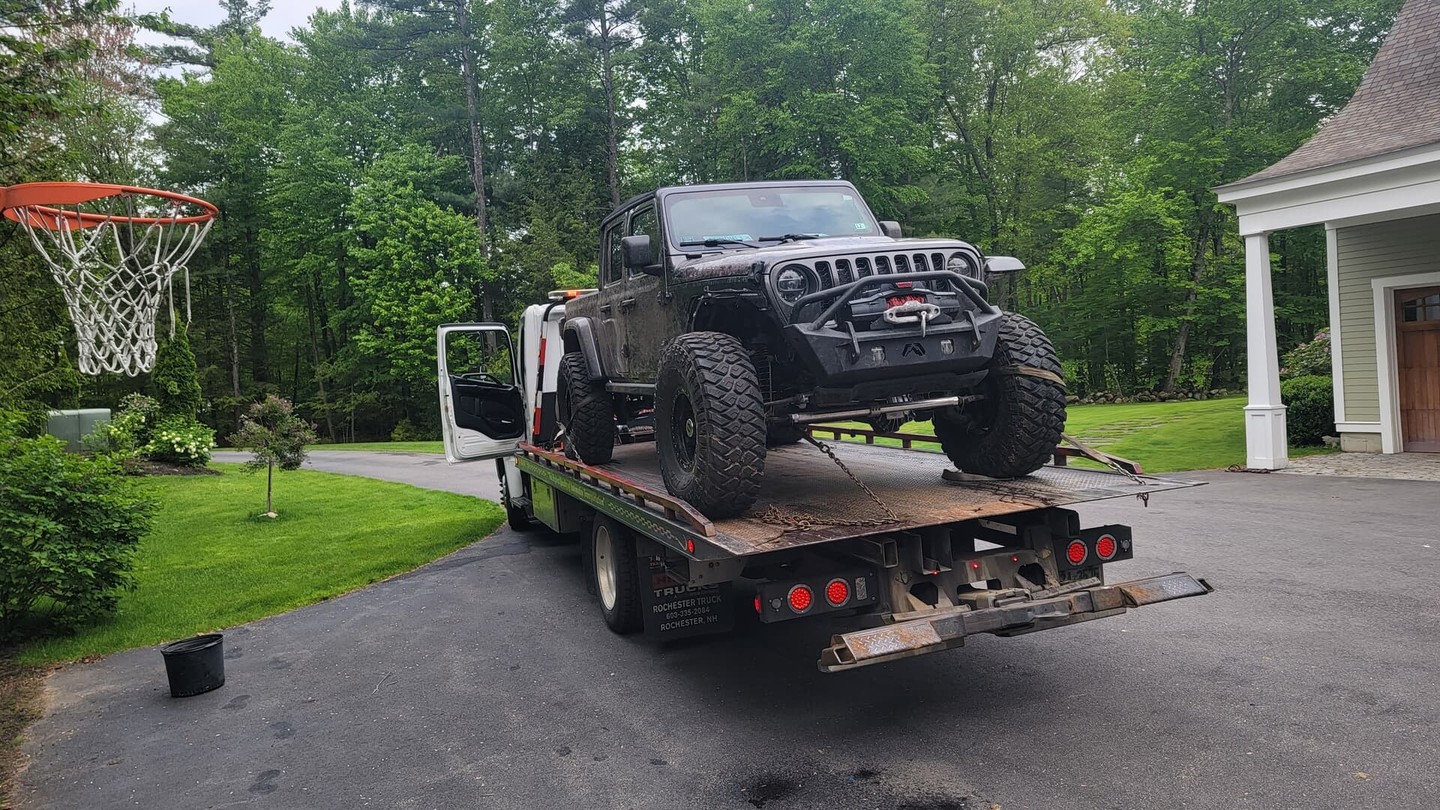
If your vehicle isn’t drivable after the accident, you’ll need to arrange for towing services to move it safely. Don’t wait for the situation to worsen or risk further damage by attempting to drive a compromised vehicle. Professional accident recovery services can transport your car to a repair shop, your home, or a secure storage facility while you sort out next steps.
Choosing the right towing company matters. Look for a provider with experience handling accident recovery, especially if your vehicle sustained significant damage or needs specialized equipment for safe transport. In the Manchester area, winter conditions mean you need a service familiar with navigating icy roads and recovering vehicles from difficult positions.
Once your car is safely towed, you’ll need to get it assessed. Your insurance company may require an inspection by their adjuster before authorizing repairs. If the cost of repairs exceeds the vehicle’s value, the insurer may declare it a total loss. In that case, they’ll offer you a settlement based on the car’s market value, minus your deductible.
If repairs are approved, choose a reputable body shop. Some insurers have preferred networks, but you have the right to select your own shop. Get multiple estimates if possible, and ask about the timeline and whether they’ll work directly with your insurance company. With your vehicle taken care of, you can focus on your own recovery and when to call for help.
Recognize situations that require immediate assistance
Some accident situations call for immediate professional help beyond what you can manage on your own. If your vehicle is blocking traffic, leaking fluids, or positioned dangerously on the roadway, don’t attempt to move it yourself. Emergency towing services are equipped to handle these scenarios safely and quickly, minimizing risk to you and other drivers.
Accidents that occur at night, during bad weather, or in isolated areas also warrant a professional response. Trying to change a tire or assess damage on the side of a dark, icy highway is dangerous. Roadside assistance providers can reach you, evaluate the situation, and either get you moving again or arrange for safe transport.
If you’re unsure whether your car is safe to drive after a collision, err on the side of caution. Hidden damage to the frame, suspension, or braking system can make a vehicle unsafe, even if it looks okay on the surface. A reliable towing service can transport your car to a mechanic for a full inspection, giving you confidence that it’s roadworthy before you get back behind the wheel.
Finally, if you’re injured, disoriented, or simply overwhelmed by the situation, calling for help is always the right choice. Professional towing and roadside assistance teams have seen it all, and they’re there to support you when you need it most. Don’t hesitate to reach out 24/7 whenever an accident leaves you stranded or uncertain about your next move.